Too Much of a Good Thing
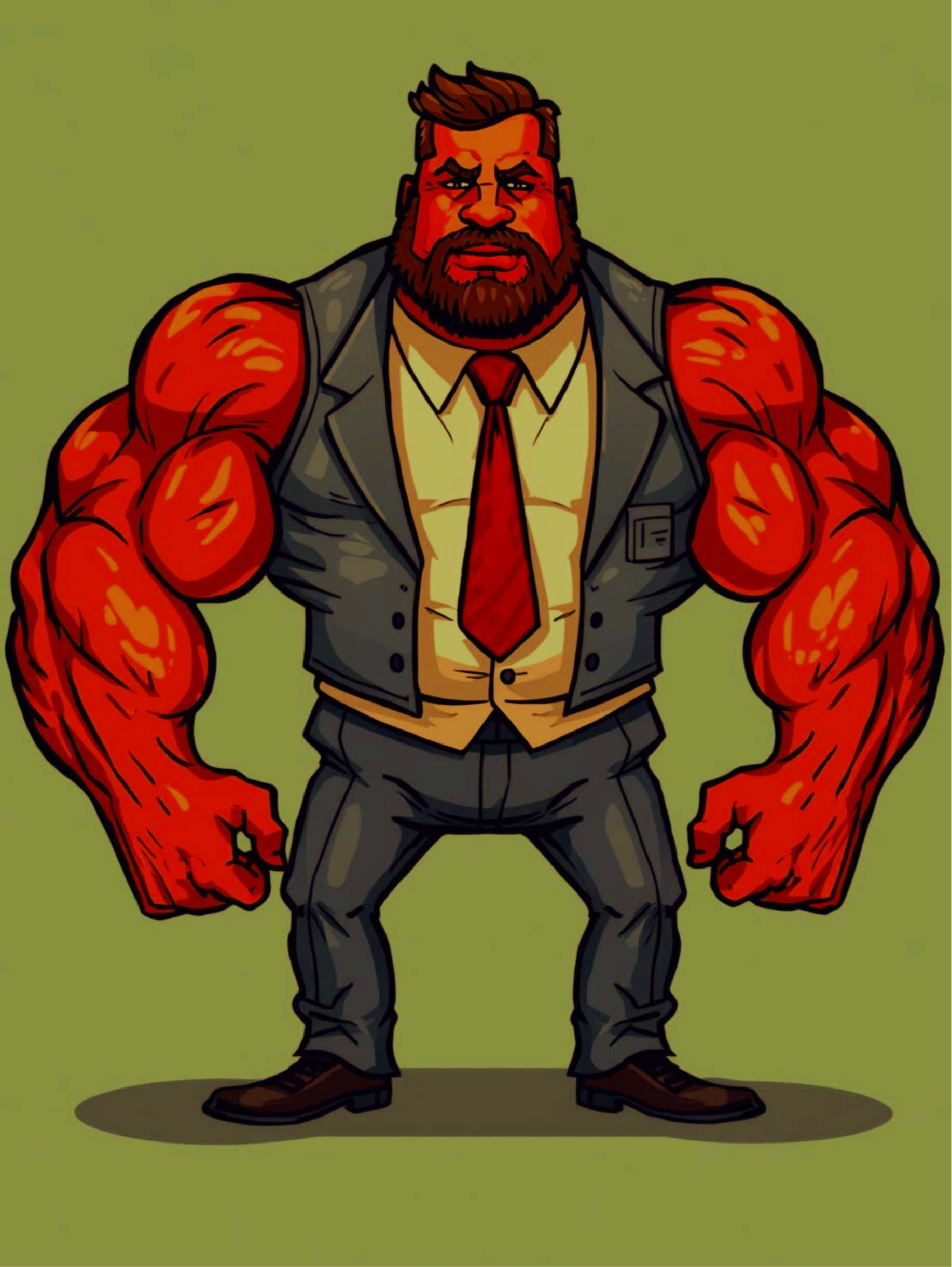
your greatest strengths might be sabotaging your career
If you are a leader in the business world, odds are good that you’ve been conditioned to think of your strengths as unassailable assets. And in all reality, that’s probably true. But what if the very qualities that propel your career forward also hold the potential to derail it? Strengths and weaknesses are often two sides of the same coin, and psychological research into the "dark side" of personality reveals that our greatest strengths, when overused or applied under stress, can become significant liabilities.
In short, the line between kicking ass and being an ass can be perilously thin.
This concept is central to the Hogan Development Survey (HDS), an assessment tool that identifies potential performance risks, or "derailers." These are not inherent flaws but rather dysfunctional dispositions (what a psychologist might call “maladaptive traits”) that emerge when we're under pressure, fatigued, or (ironically) under so little pressure that we become too comfortable to self-monitor and self-manage.
For example, a particularly bold leader – in an ideal situation – is likely seen as confident, self-assured, and energetic—all desirable leadership traits. Under pressure, however, that same confidence can manifest as arrogance, an inflated sense of self-importance, and a sense of entitlement that alienates colleagues.
To be honest, I’ve fallen prey to this kind of error myself. In a role leading an organization of more than 300 people about a decade ago, I found myself leaning on my sense of confidence and brash self-assuredness in almost all my interactions. This played well for many of the superiors and partners I interacted with, and was especially useful when I was trying to advocate for my department “up and out” to the C-suite and to partner organizations.
When leading the organization was the only thing I was really worried about, I could feel when I needed to dial back the intensity for the people who worked for me, and instead focus on encouragement, humility, and credit-giving. Meanwhile, when talking to external stakeholders, I would turn on the charm, emphasize my personal expertise and the experience that got me the job, and enthusiastically encourage investment into the products and services we provided to a broad swath of customers in the national security space.
Within a few months, however, lingering issues in my first marriage started to come to a head. My relationship was under significant strain….and eventually that strain became a protracted separation and divorce. I couldn’t see it at the time, but as that took more of my time, attention, and emotional energy, I was getting sloppy on the job. I was leaning heavily on my senses of competence and confidence “down and in” the organization, convinced that I could “push” the department to improve through sheer force of will. In trying to do so, I was alienating the people who I needed to make that change happen. My confidence, unmanaged, became self-importance and condescension.
With a little more self-awareness (and perhaps the benefit of a Hogan assessment from someone like present me), I might have seen what was happening and course corrected sooner.
This trend is particularly dangerous for high-achievers because the very behaviors that were reinforced during their rise—assertiveness, meticulousness, charm—can, under pressure and without self-awareness, become the unmanaged liabilities that lead to their fall. Understanding that your defining strength can become your biggest weakness is the first step toward ensuring it remains an asset, not a liability.
What strength might you be over-using….and what impact is that having on the people around you?
What if doing what feels easy — and what got us where we are — is disconnecting us from some of our underlying values and motivations?
Are you kicking ass, or being one?